Iris Koch · 20 October 2026
The Evolution of Custom Workflow Tools in Niche Platform Ecosystems: Insights from Operational Scaling Practices
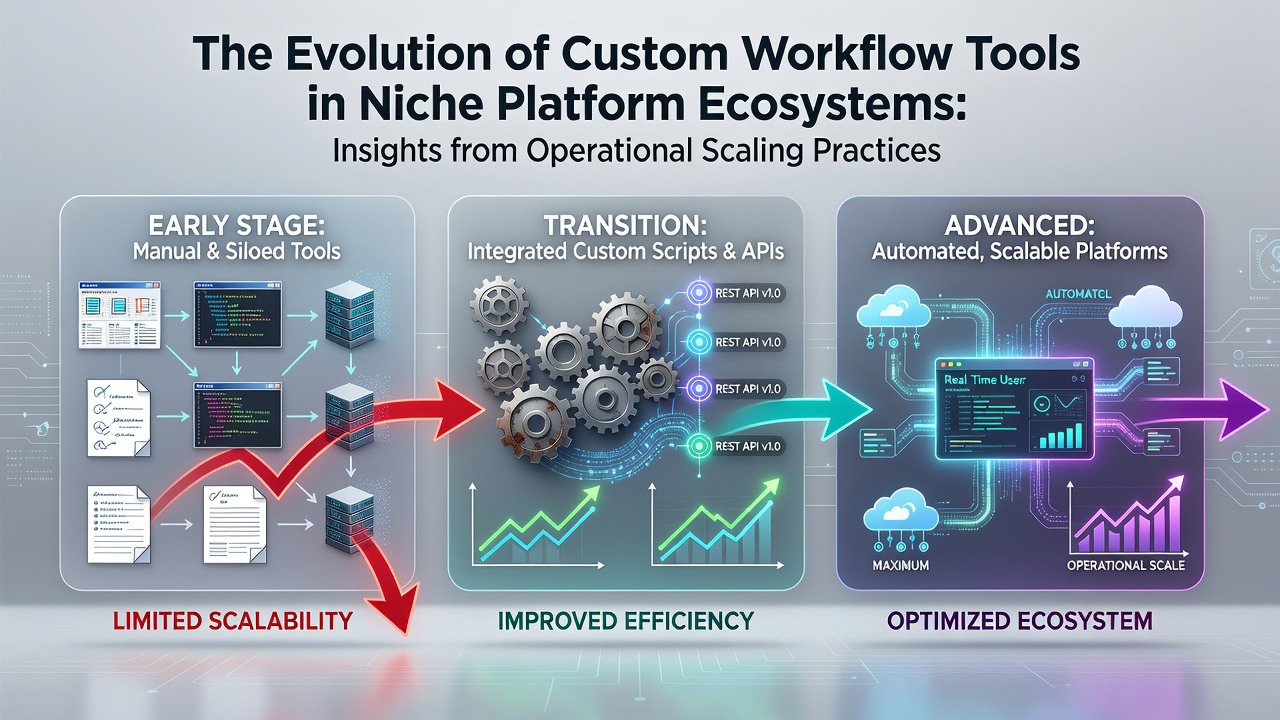
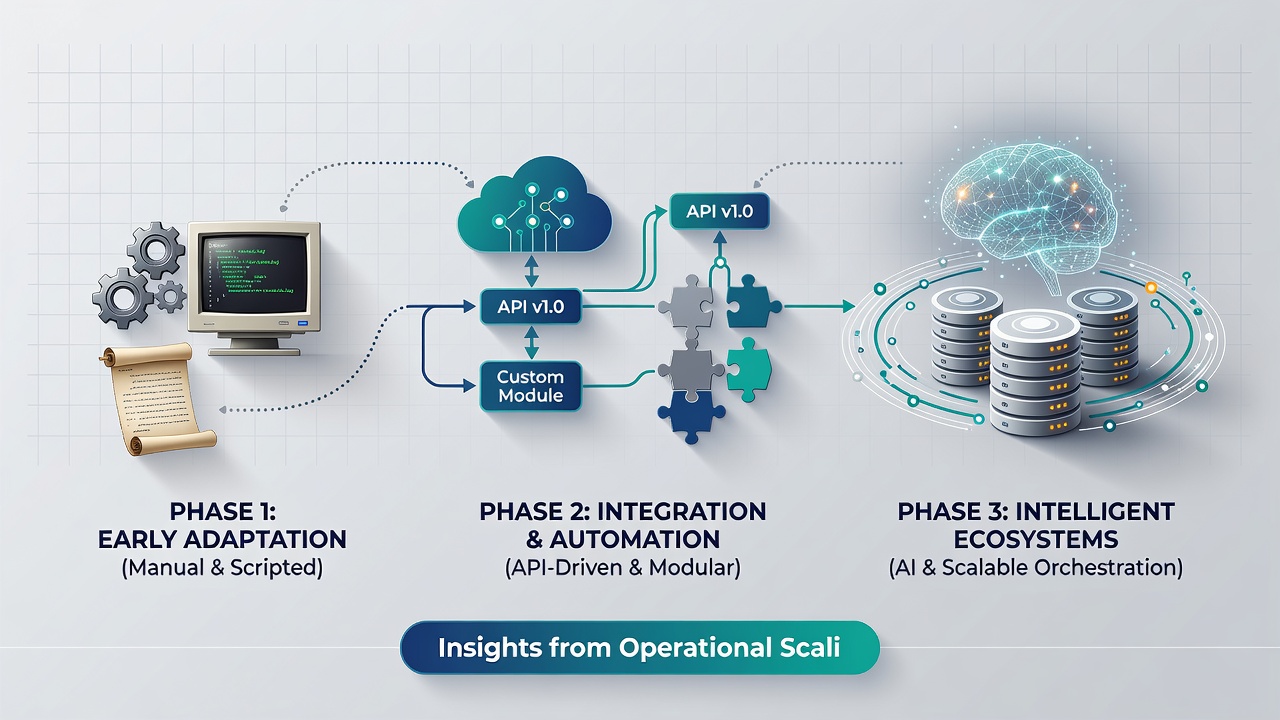
Custom workflow tools have developed within niche platform ecosystems through incremental adaptations that address specific operational demands; these tools integrate automation sequences, data routing protocols, and user permission layers that align with sector-specific requirements. Observers note that early versions emerged in the late 1990s when specialized software platforms began replacing generic enterprise systems in industries such as logistics and content distribution, and platform operators started embedding modular components that allowed internal teams to adjust task flows without full system overhauls.
Foundational Shifts in Tool Architecture
Platform ecosystems in areas like freelance marketplaces and inventory management services adopted initial custom tools that relied on rule-based engines; these engines processed inputs from multiple data sources and triggered actions across connected modules. Research indicates that adoption accelerated after 2010 when API standards became more consistent across providers, allowing niche operators to connect their internal workflows to external services without custom coding for every integration. Data from scaling operations shows that teams reduced manual handoffs by embedding conditional logic directly into the platform layer rather than relying on separate applications.
One documented case involved a regional supply chain platform that implemented a custom routing system in 2015; the system evaluated order volume, carrier availability, and compliance flags before assigning tasks, and subsequent updates incorporated machine learning elements to refine those evaluations based on historical performance metrics. Observers have recorded similar patterns in other sectors where tools evolved from simple task lists to interconnected process maps that track dependencies across departments.
Operational Scaling Practices and Their Influence
Scaling practices reveal consistent patterns where platform operators first isolate high-frequency processes, then layer automation that responds to volume fluctuations. Teams measure throughput before and after each modification, and they adjust parameters when latency exceeds defined thresholds. Evidence suggests that successful implementations often begin with audit logs that capture every decision point, which later serve as training data for predictive adjustments.
Researchers have examined how these practices intersect with ecosystem constraints; for instance, platforms serving regulated industries must maintain audit trails that satisfy external reporting standards, and custom tools incorporate version controls that allow rollback when regulatory interpretations change. Figures from industry analyses reveal that operators who sequence their scaling efforts around quarterly capacity reviews achieve more stable performance than those who implement changes in isolated bursts.
Current Developments Observed in October 2026
By October 2026, several niche platforms have incorporated collaborative editing features into their workflow tools; multiple users can now adjust process definitions simultaneously while the system maintains consistency through conflict resolution algorithms. Platform operators report that these features emerged after internal scaling projects exposed bottlenecks in approval cycles, and developers responded by embedding real-time synchronization protocols. According to reports from the OECD, such synchronizations have contributed to measurable reductions in cycle times within digital service ecosystems that rely on distributed contributor networks.
Additional updates include tighter integration between workflow engines and analytics dashboards; operators can now surface bottleneck indicators directly within the same interface used to modify rules. Data collected from these dashboards feeds into capacity planning models that forecast resource needs weeks ahead, and platform teams use those forecasts to allocate compute resources before demand spikes materialize. European Commission documentation on digital platform efficiency notes parallel trends where similar tooling has supported cross-border data flows while preserving local compliance requirements.
Examples from Different Ecosystem Types
Take one content distribution platform that refined its custom approval workflow after experiencing repeated delays during peak publishing periods; the revised system now routes submissions through parallel review channels based on content category and contributor history, and completion rates improved after the change. Another instance comes from a specialized analytics platform where operators built workflow triggers that activate data cleansing routines whenever incoming feeds deviate from expected formats; those triggers operate without manual intervention and maintain data integrity across growing user bases.
Observers note that these examples share a common sequence: identification of repeated friction points, isolation of the affected process segment, and deployment of targeted automation that scales with usage. The approach avoids wholesale replacement of existing systems and instead layers incremental enhancements that accumulate over successive operational cycles.
Conclusion
Custom workflow tools continue to adapt within niche platform ecosystems through practices centered on measurable scaling outcomes. Documentation from multiple sectors shows that operators who maintain detailed process records and test modifications against live metrics sustain more consistent performance during growth phases. As platforms expand their reach, the tools that support internal operations reflect the same incremental refinement patterns observed since the earliest integrations of modular automation.