Otto Washington · 8 September 2026
Navigating User Retention Hurdles in Evolving Digital Service Platforms
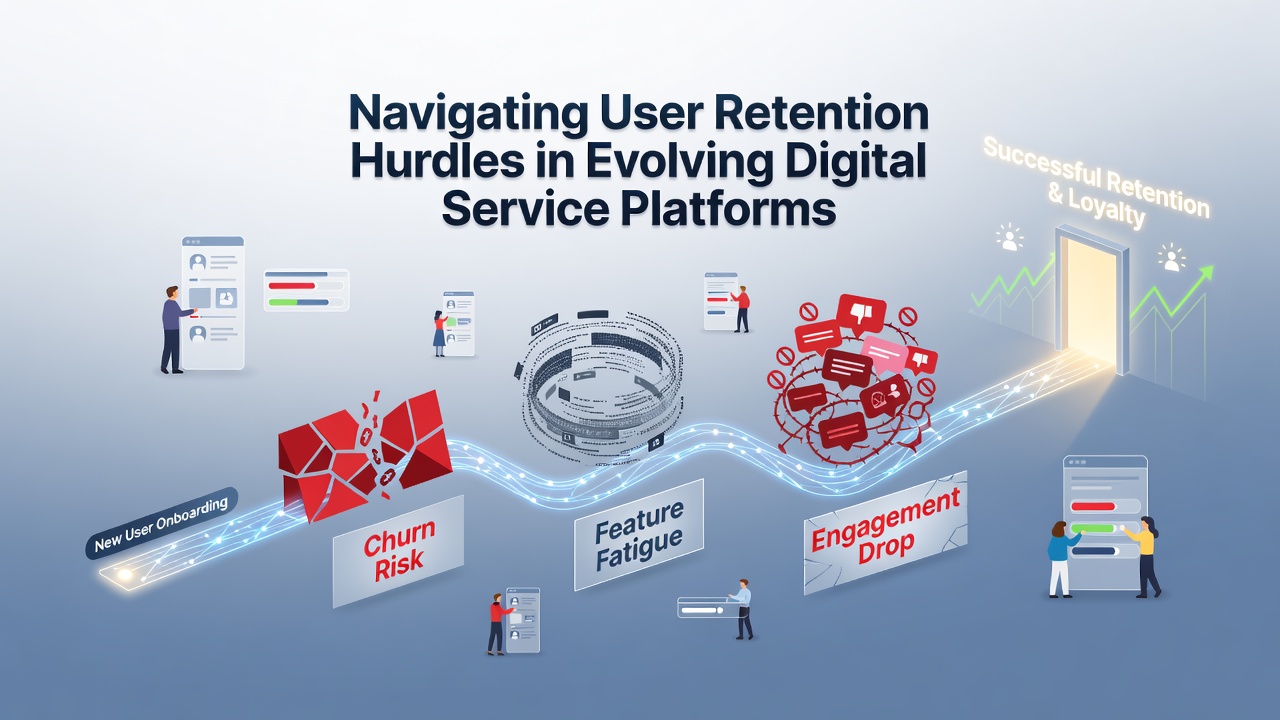
Digital service platforms continue to undergo rapid changes driven by technological advances, shifting consumer expectations, and competitive pressures, which creates measurable hurdles for maintaining user bases over time. Research from institutions tracking software-as-a-service adoption shows retention rates often decline following major updates, with figures from industry analyses indicating drops of 15 to 25 percent within the first quarter after interface redesigns or feature overhauls. Observers note that platforms integrating artificial intelligence tools or subscription adjustments frequently encounter these patterns, as users adjust to new workflows or pricing structures.
Key Drivers of Platform Evolution
Platforms evolve through iterative releases that incorporate machine learning algorithms, enhanced security protocols, and expanded integrations with third-party tools, all of which alter the core user experience. Data indicates that by September 2026, over 60 percent of enterprise digital services had implemented generative AI features, according to reports compiled by research organizations monitoring global technology trends. Those changes force users to relearn navigation paths and data handling processes, leading to temporary disengagement when familiar functions shift locations or require additional authentication steps. Experts tracking these transitions point out that continuous delivery models, common in cloud-based environments, amplify the effect because updates arrive without long advance notice periods.
Primary Retention Challenges
One recurring hurdle involves personalization algorithms that refine content recommendations yet sometimes reduce serendipitous discovery, prompting users to seek alternatives elsewhere. Studies conducted by academic groups at European universities reveal that when recommendation engines prioritize repeat engagement too narrowly, session lengths can shorten by up to 30 percent within six months. Another challenge arises from data privacy regulations that require explicit consent flows, which interrupt onboarding sequences and increase abandonment rates during account creation. Regulatory bodies in multiple regions, including the Australian Competition and Consumer Commission, have documented how compliance updates coincide with measurable churn spikes across consumer-facing applications.
Competition from newer entrants compounds these issues, as emerging platforms often launch with streamlined interfaces that appeal to users frustrated by legacy complexity. Industry reports highlight that cross-platform migration tools now allow data portability in many cases, lowering the friction for switching services. Those who monitor user behavior observe that loyalty programs tied to accumulated usage history lose effectiveness once competitors offer equivalent rewards without requiring years of prior activity.
Observed Patterns in User Behavior
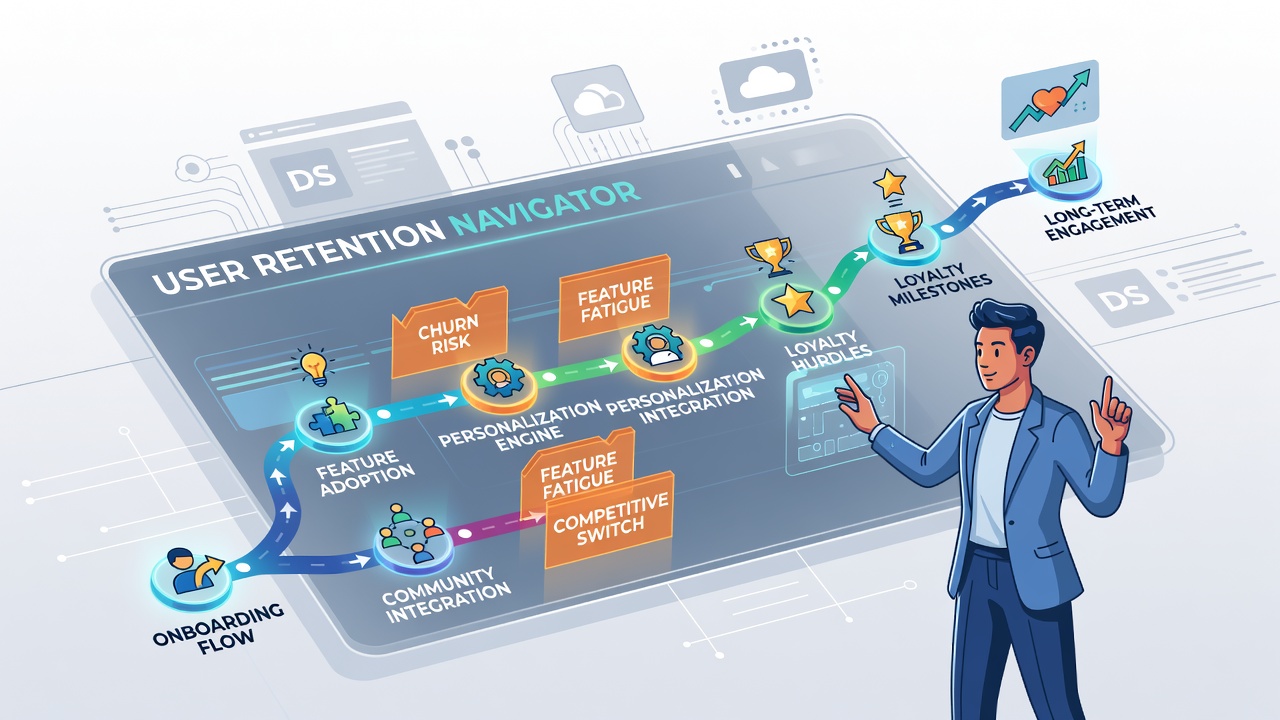
Longitudinal data collected across multiple sectors shows that engagement metrics follow predictable curves after platform changes, with an initial dip followed by partial recovery among users who receive targeted onboarding support. Researchers analyzing mobile application telemetry note that push notification frequency becomes a decisive factor, where excessive alerts correlate with higher uninstall rates while insufficient communication leaves users unaware of new capabilities. Case examples from financial technology services demonstrate that segmented communication campaigns, delivered through in-app messaging rather than email, help stabilize retention when new compliance features roll out.
Geographic variations appear in these patterns as well, with users in regions experiencing stricter data localization rules reporting greater sensitivity to feature modifications that affect data storage locations. Government statistics from Canadian digital economy surveys confirm that platforms operating across borders must balance uniform updates against localized preferences to avoid disproportionate user loss in specific markets. What's interesting here is how hybrid approaches combining automated personalization with manual override options tend to appear in platforms that sustain steadier user cohorts over multi-year periods.
Approaches Documented in Practice
Service operators address retention through phased rollout strategies that allow subsets of users to test updates before wider deployment, thereby gathering feedback that informs refinements. Evidence from technology trade associations indicates that A/B testing frameworks applied to retention-focused elements, such as loyalty dashboards and help center resources, produce measurable improvements in return visit frequency. Integration of community forums where users share adaptation tips also surfaces in platforms that report stronger long-term cohort retention, since peer support reduces the support burden on internal teams.
Analytics platforms provide granular visibility into drop-off points, enabling teams to identify specific screens or workflows where engagement falters after updates. Those who have examined large-scale datasets find that combining quantitative metrics with qualitative surveys yields clearer pictures of underlying causes, ranging from performance latency to perceived feature irrelevance. External benchmarks published by organizations such as the OECD offer comparative data across countries that help contextualize individual platform performance against broader industry movements.
Conclusion
Digital service platforms face ongoing retention pressures as they incorporate new technologies and respond to regulatory environments, yet systematic measurement and targeted interventions allow operators to track and mitigate user loss. Available evidence from diverse sources underscores the value of continuous monitoring combined with flexible adaptation mechanisms that accommodate varying user segments. As platforms continue evolving through 2026 and beyond, the interplay between technical updates and behavioral responses remains a central factor shaping long-term viability across the sector.